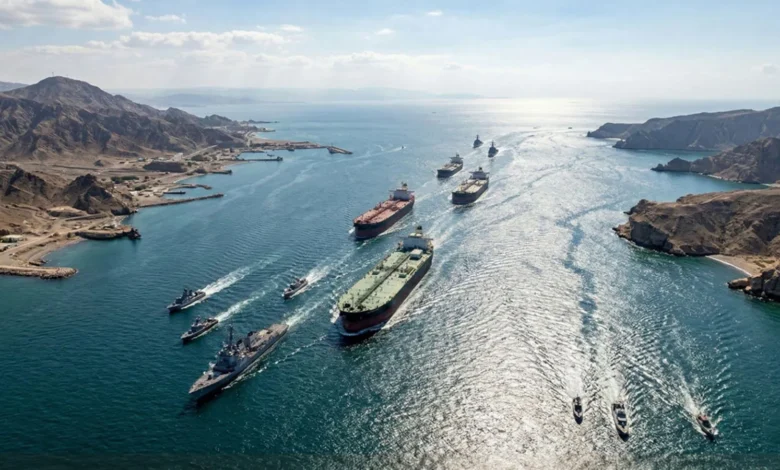
Iran has once again shut down the Strait of Hormuz following large-scale Israeli airstrikes targeting Hezbollah positions in Lebanon, despite an existing agreement with Washington, according to state media reports cited by Euronews.
The closure reportedly occurred on the very day a two-week ceasefire between Iran and United States came into effect. The deal had aimed to halt more than a month of escalating tensions and ensure the resumption of maritime traffic through the strategically vital waterway.
Earlier, two oil tankers had been allowed to pass through the strait with Tehran’s approval, but shipping was subsequently suspended entirely, according to sources linked to Iran’s Revolutionary Guard.
One of the key provisions of the ceasefire was Iran’s commitment to reopening the Strait of Hormuz, a move expected to stabilize global oil and gas markets. The renewed closure raises concerns over potential supply disruptions.
Meanwhile, U.S. President Donald Trump and Israeli Prime Minister Benjamin Netanyahu stated that the ceasefire does not extend to Lebanon, a claim disputed by mediator Pakistan.
Lebanon’s Health Ministry reported that Israeli airstrikes killed at least 112 people and injured 837 others. According to the statement, multiple regions, including the capital Beirut, were targeted.
The Israeli military described the operation as one of the largest coordinated attacks in the current conflict, saying more than 100 Hezbollah targets were hit within just 10 minutes across Beirut, southern Lebanon, and the Bekaa Valley. Targets reportedly included missile launchers, command centers, and intelligence infrastructure.
Israel also accused Hezbollah of using civilians as human shields, urging Lebanese authorities to prevent the group from operating within populated areas.
Euronews notes that while central Beirut has rarely been targeted since early March, strikes on southern and eastern regions of Lebanon have continued regularly.