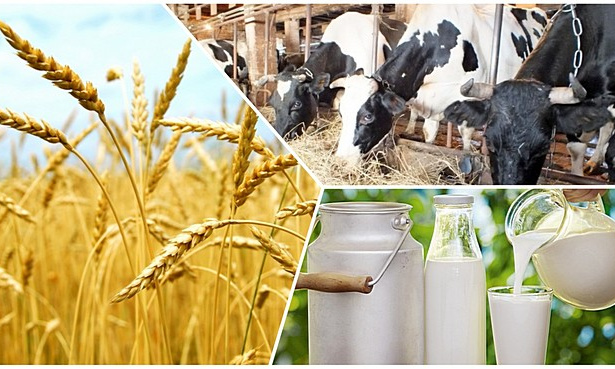
Agricultural cooperation in Kazakhstan has shown steady growth over the past five years, driven by expanded state support and targeted development programs. According to the Ministry of Agriculture, the number of agricultural cooperatives increased from 2,840 in 2019 to 4,465 in 2024 — a 1.5-fold rise.
Authorities attribute the positive trend to comprehensive policy measures ensuring equal access to subsidies, tax incentives and additional scoring advantages in the allocation of farmland. Training programs for farmers and household producers have also been expanded through regional knowledge centers.
Since 2023, the “Auyl Amanaty” program has been boosting rural incomes by offering concessional loans and leasing for business projects at 2.5% interest for up to five years, and up to seven years in livestock farming. Cooperatives benefit from higher financing limits under the scheme.
Subsidy rules in pedigree livestock breeding have also been simplified. In several areas, cooperatives formed by small household farms are no longer required to possess formal land registration or agricultural land status.
A national action plan through 2029 aims to scale up best practices, strengthen agricultural competencies and provide project support. Additional mechanisms for subsidizing feedlot and production-oriented cooperatives are being introduced.
Since September 2025, the Agrarian Credit Corporation has launched a preferential 5% working capital loan program for feedlots, available for up to 12 months regardless of ownership structure. Further steps include credit guarantee instruments and extended loan terms of up to 15 months, alongside potential easing of veterinary requirements to widen access to state support.