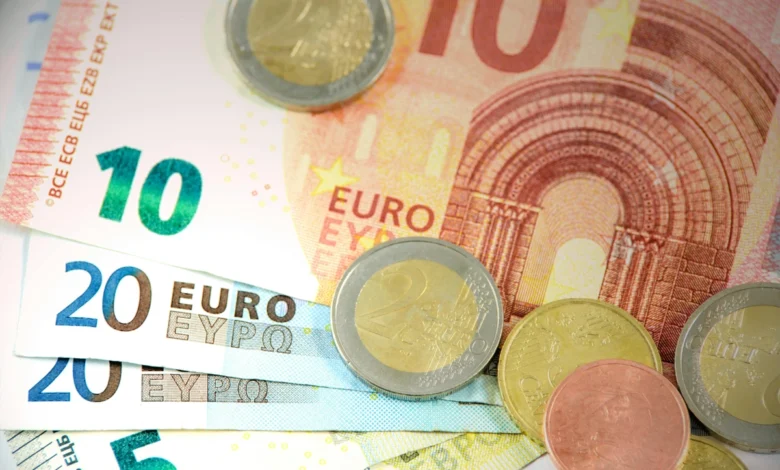
Bulgaria is set to replace its national currency with the euro starting January 1, marking what the government describes as a strategic move to strengthen the country’s position within Europe. Prime Minister Rosen Zhelyazkov said the transition goes beyond a simple currency change, according to DW.
Joining the eurozone, he noted, highlights the economic progress Bulgaria has made over the past decade. The country currently maintains stable macroeconomic indicators, with inflation at 2.8%, down sharply from 13% in 2022.
Bulgaria also continues to record relatively low budget deficits and public debt, while economic growth forecasts remain positive. Still, not all experts share the government’s optimism.
Economist Rositsa Rangelova from the Bulgarian Academy of Sciences warned that expectations of an immediate rise in living standards may be unrealistic. She stressed that without long-overdue structural reforms, Bulgaria risks falling short of becoming a fully integrated and effective member of the eurozone.